
Culture
The world's most liveable cities for 2025 - and what it's really like to live there
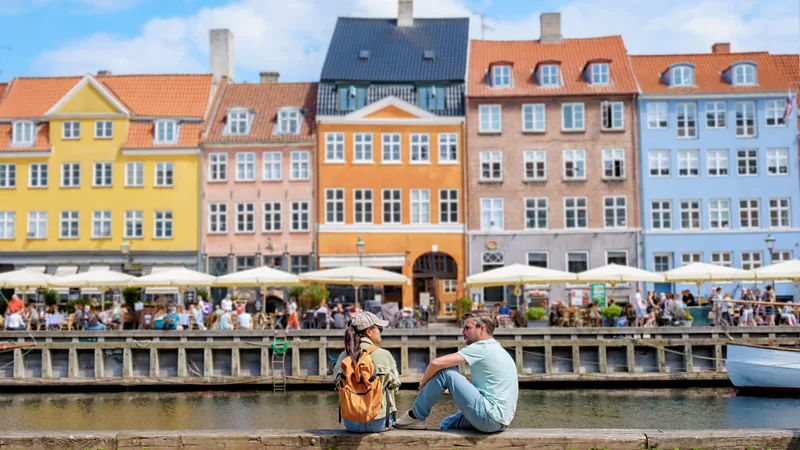
Copenhagen Taking the top spot in the liveability index, the Danish capital also recently ranked as the world's happiest city. The two go hand in hand, as Copenhagen's high stability, infrastructure and environment scores directly translate into daily happiness for residents. "Trains show up at 12:16 when they are scheduled for 12:16. No one blinks if you turn up in sneakers at a fancy restaurant, and a swim in a clean harbour is possible even in January if you are feeling brave," said Copenhagen resident Thomas Franklin, CEO of fintech company Swapped.com. "Copenhagen wins me over every time with its calmness. Streets are wide, bikes outnumber cars and the city runs on common sense."Franklin also appreciates the city's community spirit and a lack of pressure that means you can meet a friend by the water with no planning and have coffee for two hours. While the skies might often be grey, he says the city is brightened by open-air markets, public saunas and the sound of kids running in the park. "It is a city that never tries too hard but always delivers," he said. Vienna The Austrian capital may have slipped from first to second place in the index, but its perfect healthcare score still outranks every other city. It also maintains perfect scores in both education and infrastructure. The result is a place that residents rave about."I'm a native New Yorker who moved to Vienna for the lifestyle about four years ago and have no plans on returning," said Nataleigh O'Connell, a communications consultant at UNIDO. "I've found a quality of life that I didn't think was possible in a major capital city."She points to affordability as a major draw, noting that rent is extremely reasonable, with a city-centre one-bedroom flat costing less than €850 per month. Vienna's extensive public transportation network is also clean and affordable, priced at just €1 a day for city residents. "It's a city that offers enough of everything, whether it be new restaurants, world-class performances or art exhibitions, without ever feeling overwhelming," said O'Connell. To experience Vienna like a local, she recommends visiting heurigen, local vineyards within the city limits. "The hiking trails that connect them offer spectacular views of the city," she said. Geneva Switzerland consistently ranks high for quality of life, thanks to policy and infrastructure that support well-being. Both Zurich and Geneva made the top five this year, but Geneva residents say their city has a different feel – more compact, more relaxed but with all the benefits of a global hub. "Geneva is a well-run city in a well-run country," said resident James F Royal, who moved here from Florida several years ago and is the author of the book Options Trading 101. "It offers many of the benefits of the big city – music, arts, business – in a cosier environment, meaning you get many advantages of urban life without the usual disadvantages."With perfect healthcare and infrastructure scores, the city is also clean, safe and easy to navigate. "Whether you want to walk to your destination or use the dense public transportation system, you can get around easily with no car required," Royal said. In addition, Switzerland's reliable train network and central location make it easy to travel almost anywhere in Europe in just a few hours.Geneva is also one of Switzerland's most diverse cities, with more than 40% of residents born abroad. "Inhabitants get the benefits of that diversity, such as a wide range of cuisines and people with interesting backgrounds," Royal said. The city's natural beauty – especially the crescent-shaped Lake Geneva and its mountain backdrop – also add to the appeal of daily life. The lake has plenty of spots to picnic and sunbathe, with La Grange Park offering unique lake views and expansive rose gardens. Royal recommends visitors enjoy the restaurants and pop-up bars that appear during the summer months, and the Christmas markets in the winter. Melbourne Ranked fourth in the index, Melbourne received perfect marks in healthcare and education. But its high scores in culture and environment are what inched it above other Australian cities – including Sydney and Adelaide, which also cracked the top 10.Melbourne also scored well on infrastructure – and lawyer Oliver Morrisey says he chose to base his practice here due to an overall efficiency he rarely finds in other major cities. "I can walk from the Supreme Court to a client meeting near Collins Street in under 15 minutes; and I can work intensely during the day then take my daughter for a walk through Fitzroy Gardens after school," he said. "That is what liveability means to me. It is not just about lifestyle. It is about ease of movement between the parts of life that matter." Even for those outside the city centre, Melbourne's transportation network makes getting around simple. "The transport system connects the inner and outer suburbs for an easy commute within 50 minutes without segregating suburbs," said Melbourne resident Katherine Tuominen, founder of Catalyst Brand Strategy, who has lived in 10 cities around the world but finds Melbourne the most liveable. Osaka The only Asian city to make the top 10 (ranked seventh overall), Osaka scored perfect marks in stability, healthcare and education. And while it's often overshadowed by flashier Tokyo, Osaka's under-the-radar vibe is exactly what residents love about living here. "Osaka is a very well-developed, very cool city," said long-time resident Graham Hill who runs the review website Osaka City. "It is to Japan what San Francisco might be to the United States: a smaller city, but with a unique flavour of its own." The city's reliable infrastructure – including a clean, punctual and wide-reaching transit system – make Osaka easy to live in, without the crowds of Tokyo. Hill says it's simpler to get reservations at top-tier places, and the prices are much better as well.
Sign in to save this article.